Overview
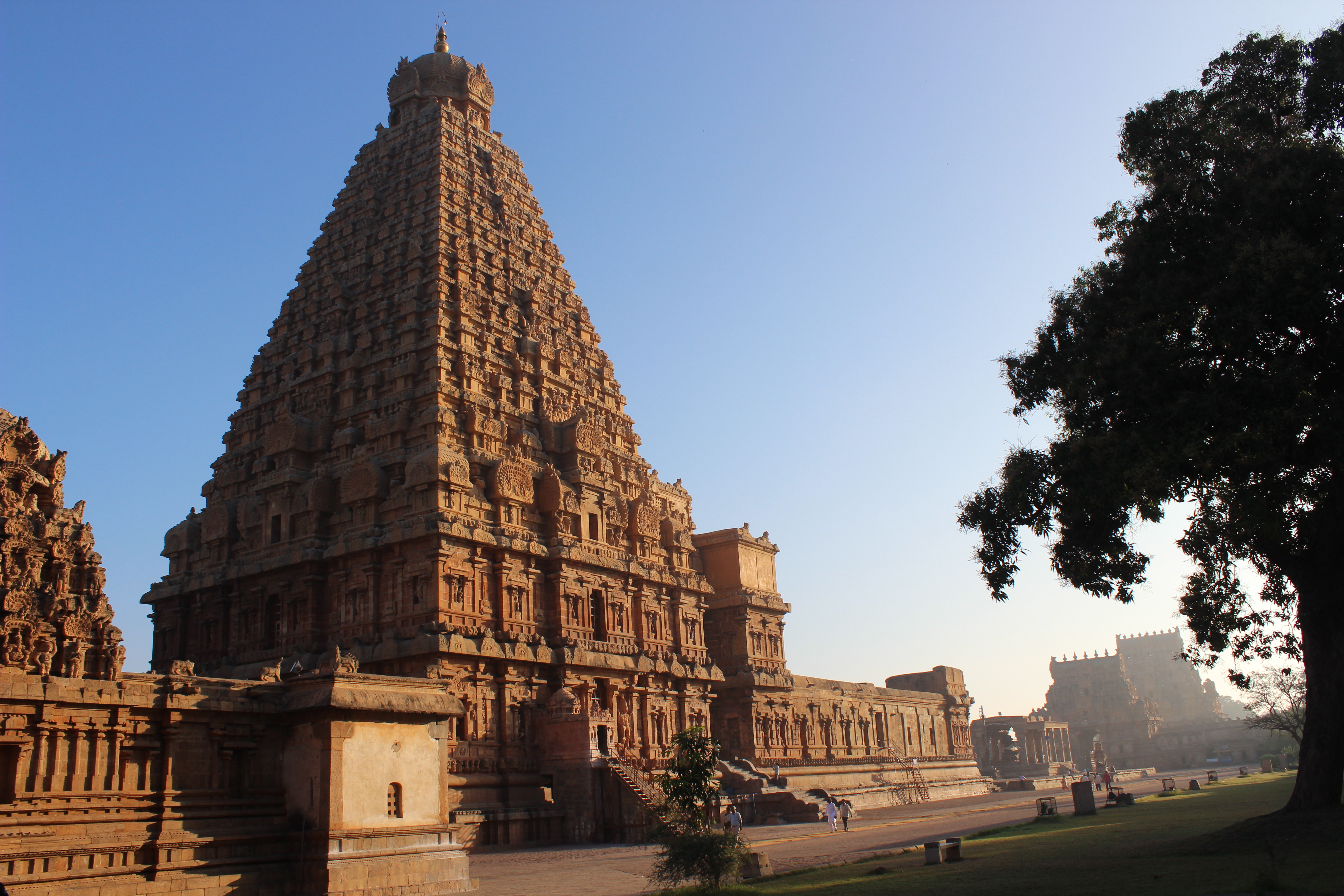
The Brihadisvara Temple, known locally as Thanjai Periya Kovil (The Great Temple of Thanjavur) and Peruvudaiyar Kovil, stands as one of the most magnificent achievements of Indian temple architecture. Built by the great Chola emperor Rajaraja I between 1003 and 1010 CE, this Shaivite Hindu temple is located on the south bank of the Cauvery river in Thanjavur, Tamil Nadu. The temple was originally called Rajarajesvaram by its builder, reflecting the grandeur and ambition of the emperor who commissioned it.
As one of the largest Hindu temples in India, the Brihadisvara Temple exemplifies the pinnacle of Tamil architectural achievement during the Chola period. The temple complex is also referred to as Dakshina Meru (Southern Meru), drawing a parallel to Mount Meru, the cosmic mountain of Hindu cosmology. The monument represents not just religious devotion but also the political power, administrative capability, and artistic sophistication of the Chola empire at its zenith.
In 1987, the Brihadisvara Temple was inscribed as a UNESCO World Heritage Site, and in 2004, this designation was extended to include it as part of the “Great Living Chola Temples” along with the Gangaikonda Cholapuram temple (approximately 70 kilometers northeast) and Airavatesvara temple (approximately 40 kilometers northeast). The temple continues to function as an active place of worship, hosting thousands of devotees, particularly during the Maha Shivaratri festival, while simultaneously serving as a testament to India’s rich architectural and cultural heritage.
History
The Vision of Rajaraja I
The Brihadisvara Temple was conceived and constructed during one of the most prosperous periods of the Chola dynasty. Emperor Rajaraja I, who ruled from 985 to 1014 CE, was at the height of his power when he commissioned this magnificent structure. By the time construction began in 1003 CE, Rajaraja I had expanded the Chola empire significantly, bringing vast territories under his control and accumulating considerable wealth through successful military campaigns and efficient administration.
The decision to build such a monumental temple was multifaceted. It served as an expression of the emperor’s devotion to Lord Shiva, demonstrated the administrative and economic capabilities of the Chola state, provided employment to thousands of artisans and laborers, and established Thanjavur as a major religious and cultural center. The temple was not merely a place of worship but a statement of imperial power and artistic achievement that would inspire awe for centuries to come.
Construction (1003-1010 CE)
The construction of the Brihadisvara Temple was completed in an remarkably short period of seven years, a testament to the organizational capabilities of the Chola administration. The entire structure was built using granite, which had to be transported from quarries located considerable distances away, as there are no granite sources in the immediate vicinity of Thanjavur.
The engineering feat involved in constructing the massive vimana (temple tower) remains one of the most impressive aspects of the temple. The main tower rises to a significant height and is crowned with a monolithic capstone weighing approximately 80 tons. According to tradition and architectural analysis, this massive stone was hauled to the top using a 6-kilometer-long inclined ramp built specifically for this purpose. The precision with which the granite blocks were cut, transported, and assembled demonstrates the advanced understanding of engineering, mathematics, and architecture possessed by Chola builders.
Thousands of skilled craftsmen, including sculptors, masons, architects, and laborers, worked on the temple. The temple walls and pillars feature extensive inscriptions in Tamil that provide detailed information about the temple’s construction, the donations made by the emperor and others, the administrative arrangements for temple maintenance, and the daily rituals to be performed. These inscriptions are invaluable historical documents that offer insights into the socio-economic conditions of the period.
Through the Ages
Following its completion in 1010 CE, the Brihadisvara Temple became the religious and cultural heart of the Chola capital at Thanjavur. The temple received continuous royal patronage during the Chola period, with successive rulers making additions and endowments. The temple’s prosperity continued as it accumulated vast wealth through donations and land grants.
After the decline of the Chola dynasty, the temple came under the control of various rulers including the Pandyas, the Vijayanagara Empire, the Nayaks of Thanjavur, and eventually the Marathas. Each ruling dynasty contributed to the temple complex, adding new structures, mandapas (halls), and fortification walls, though the original Chola structure remained the dominant architectural feature.
During the Nayak period (16th-17th centuries), significant additions were made including the construction of the main entrance gopuram (gateway tower) and various subsidiary shrines. The Maratha rulers, who controlled Thanjavur from the 17th to 19th centuries, were great patrons of art and culture and contributed to the temple’s preservation and enhancement, including additions of murals and paintings.
Under British colonial rule, the temple came under the administration of the Madras Presidency. After Indian independence in 1947, the Archaeological Survey of India (ASI) took over the temple’s conservation and maintenance. The recognition of the temple as a UNESCO World Heritage Site in 1987 brought international attention and resources for its preservation, ensuring that this architectural marvel would be protected for future generations.
Architecture
The Chola Architectural Style
The Brihadisvara Temple represents the mature phase of Chola architecture, characterized by massive scale, precise geometry, intricate sculptural decoration, and harmonious proportions. Unlike the earlier Pallava temples that featured rock-cut and structural elements, the Chola architects worked entirely with granite blocks, creating free-standing structures of unprecedented size and complexity.
The temple follows the traditional Dravidian temple architecture principles but executes them on a grand scale previously unattempted. The main vimana dominates the complex, serving as both the sacred center and the visual focal point. The temple’s design reflects sophisticated understanding of structural engineering, as the entire edifice stands on interlocked granite blocks without any binding material, yet has withstood the test of time including numerous earthquakes over more than a millennium.
The Massive Vimana
The temple’s most striking feature is its towering vimana, one of the tallest temple towers in South India. The pyramidal tower rises in multiple tiers, each adorned with miniature shrines and architectural details. The vimana is topped by a monolithic capstone, a single piece of carved granite that crowns the structure. The feat of raising this massive stone to such a height using 11th-century technology remains one of the great engineering achievements of ancient India.
Remarkably, according to tradition and some observations, the vimana is designed such that it casts no shadow at noon during certain times of the year, particularly around the summer solstice. This achievement required precise astronomical calculations and architectural alignment, demonstrating the integration of scientific knowledge with religious architecture that characterized Chola building practices.
Key Features
The Main Sanctum: The garbhagriha (sanctum sanctorum) houses a massive lingam, the aniconic representation of Lord Shiva. The sanctum is surrounded by a circumambulatory path that allows devotees to perform pradakshina (ritual circumambulation).
Nandi Pavilion: The temple complex includes a magnificent pavilion housing a monolithic sculpture of Nandi, the sacred bull and vehicle of Lord Shiva. This Nandi statue is one of the largest of its kind in India, carved from a single block of granite and positioned to eternally gaze at the sanctum.
Fortification Walls: The temple is enclosed within massive fortification walls that define the sacred precinct. These walls include two concentric rectangles, creating outer and inner courtyards. The walls themselves feature numerous inscriptions that provide historical information about the temple.
Gopurams: While the main vimana dates to the Chola period, the entrance gopurams were added during later periods, particularly under the Nayak rulers. These gateway towers provide ornate entrances to the temple complex, though they are dwarfed by the main vimana.
Subsidiary Shrines: The temple complex includes numerous smaller shrines dedicated to various deities, reflecting the Hindu practice of incorporating multiple divine presences within a single sacred space. These shrines were added over different periods and showcase the evolution of South Indian temple architecture.
Decorative Elements
The Brihadisvara Temple is renowned for its extensive sculptural decoration. The granite surfaces are adorned with intricate carvings depicting various forms of Lord Shiva, including Shiva as Nataraja (the cosmic dancer), Shiva with Parvati, and the 108 karanas (dance poses) described in the Natya Shastra, the ancient Indian treatise on performing arts.
The temple walls feature numerous sculptures of yoginis, devatas (divine beings), guardians, and mythological scenes. Each niche and panel is carefully carved, demonstrating the skill of Chola sculptors in rendering human and divine forms in granite with remarkable detail and expressiveness.
The temple originally featured extensive frescoes, particularly in the inner circumambulatory passage around the sanctum. While many of these paintings have been damaged or covered by later additions, some Chola-period frescoes have been uncovered during restoration work, revealing the sophistication of Chola painting traditions.
The temple inscriptions, carved in Tamil script in elegant calligraphy, are themselves works of art. These inscriptions run along the base of the walls and provide a wealth of historical information while demonstrating the high level of literacy and record-keeping in Chola administration.
Cultural Significance
Religious Importance
The Brihadisvara Temple remains an active center of Shaivite worship, attracting thousands of devotees throughout the year. The temple follows traditional Agamic practices in its daily rituals and festivals. The main festival celebrated here is Maha Shivaratri, when the temple sees its largest gathering of pilgrims who come to worship Lord Shiva through night-long vigils, prayers, and offerings.
The temple’s dedication to Shiva reflects the Chola dynasty’s particular devotion to Shaivism, though like most major Hindu temples, it incorporates shrines to other deities, reflecting Hinduism’s inclusive and pluralistic nature. The temple serves not just as a place of worship but as a living link to the religious traditions and practices that have been maintained for over a thousand years.
Architectural Influence
The Brihadisvara Temple set new standards for temple architecture in South India and influenced subsequent temple construction throughout the Tamil region and beyond. The scale, proportions, and decorative schemes established here became models for later Chola temples, including the Gangaikonda Cholapuram temple built by Rajaraja I’s son and successor, Rajendra I.
The temple demonstrated that monumental religious architecture could be achieved using granite, a harder and more durable material than the sandstone used in many North Indian temples. This influenced building practices across South India for centuries.
Cultural Legacy
Beyond its religious and architectural significance, the Brihadisvara Temple represents the cultural achievements of Tamil civilization during the medieval period. The temple inscriptions are crucial sources for understanding the Tamil language’s development, providing examples of classical Tamil poetry and prose. The sculptures reflect the artistic sensibilities and iconographic traditions of the period.
The temple has inspired countless works of literature, music, and art over the centuries. It features prominently in Tamil devotional poetry and has been celebrated by saints and scholars throughout history. In contemporary times, it continues to serve as a symbol of Tamil cultural identity and achievement.
UNESCO World Heritage Status
The Brihadisvara Temple was inscribed on the UNESCO World Heritage List in 1987 under the title “The Brihadisvara Temple complex, Thanjavur.” This recognition acknowledged the temple’s outstanding universal value as an architectural and artistic masterpiece.
In 2004, UNESCO extended this designation to create the “Great Living Chola Temples” World Heritage Site, incorporating the Gangaikonda Cholapuram temple and the Airavatesvara temple at Darasuram along with the Brihadisvara Temple. This extension recognized that these three temples together represent the evolution and peak of Chola temple architecture.
The UNESCO inscription cites criteria (ii) and (iii), recognizing the temples as exhibiting an important interchange of human values over time and bearing exceptional testimony to the Chola cultural tradition. The World Heritage status has brought international attention to the conservation needs of the temple and has helped secure resources for its maintenance and preservation.
Visitor Information
The Brihadisvara Temple is open to visitors throughout the year, welcoming both devotees and tourists interested in history, architecture, and culture. The temple is an active place of worship, so visitors should be respectful of religious practices and customs. Entry to the temple complex is free, making it accessible to all visitors.
Temple Timings
The temple is open from 6:00 AM to 8:30 PM daily, with the last entry at approximately 8:00 PM. The temple does not close on any particular day of the week, though it may have extended hours during major festivals like Maha Shivaratri. The best times to visit for photography are early morning or late afternoon when the light is optimal for capturing the temple’s architectural details.
Dress Code and Conduct
As an active Hindu temple, visitors are required to observe certain protocols. Appropriate modest clothing is required - shorts, short skirts, and sleeveless tops should be avoided. Visitors must remove their footwear before entering the main temple premises, though socks are permitted. Photography is generally allowed in the outer areas of the temple, but restrictions may apply in the inner sanctum.
Best Time to Visit
The most comfortable time to visit Thanjavur and the Brihadisvara Temple is during the winter and early spring months, from October through March, when temperatures are moderate. The summer months (April-June) can be very hot, while the monsoon season (July-September) brings heavy rainfall. However, the temple can be visited year-round.
Visiting during the Maha Shivaratri festival offers a unique cultural experience, with special rituals, decorations, and large crowds of devotees. However, those seeking a quieter, more contemplative visit might prefer to avoid major festival days.
How to Reach
By Air: The nearest airport is Tiruchirappalli International Airport (approximately 60 kilometers from Thanjavur), which has connections to major Indian cities and some international destinations. From the airport, taxis and buses are available to reach Thanjavur.
By Rail: Thanjavur has its own railway station (Thanjavur Junction) with good connectivity to major cities including Chennai, Tiruchirappalli, Madurai, and others. The temple is easily accessible from the railway station by auto-rickshaw or taxi.
By Road: Thanjavur is well-connected by road to all major cities in Tamil Nadu. Regular bus services operate from Chennai (approximately 340 kilometers), Tiruchirappalli, Madurai, and other cities. Private taxis and car rentals are also available.
Facilities
The temple complex provides basic facilities including:
- Parking areas for vehicles
- Restroom facilities
- Drinking water
- Security services
Guided tours are available through the Archaeological Survey of India and private tour operators. Hiring a knowledgeable guide is highly recommended to fully appreciate the temple’s historical, architectural, and religious significance, particularly to understand the intricate inscriptions and sculptural details.
Tips for Visitors
- Wear comfortable walking shoes that are easy to remove and carry, as you’ll be walking barefoot in many areas
- Carry a small bag for your footwear if you’re uncomfortable leaving them at designated areas
- Bring water and sun protection, as the temple complex is large and parts of it are exposed to direct sunlight
- Allow at least 2-3 hours to properly explore the temple complex
- Consider visiting early in the morning to avoid crowds and heat
- Hire a guide to gain deeper insights into the temple’s history and architecture
- Be respectful of worshippers and ongoing religious ceremonies
- Ask permission before photographing people, particularly during religious rituals
Nearby Attractions
Thanjavur Palace and Art Gallery: Located approximately 2 kilometers from the temple, this palace complex houses an excellent collection of Chola bronzes and other artifacts.
Saraswathi Mahal Library: One of Asia’s oldest libraries, containing rare manuscripts and books, located within the palace complex.
Schwartz Church: An 18th-century church representing colonial-era architecture in Thanjavur.
Gangaikonda Cholapuram: Approximately 70 kilometers from Thanjavur, this temple was built by Rajendra I and is part of the same UNESCO World Heritage Site.
Airavatesvara Temple, Darasuram: Located about 40 kilometers from Thanjavur, this 12th-century temple is another component of the Great Living Chola Temples World Heritage Site.
Kumbakonam: A temple town approximately 40 kilometers from Thanjavur, known for its numerous ancient temples and its Mahamaham festival.
Conservation
Current Status
The Brihadisvara Temple is generally in good condition, thanks to continuous conservation efforts by the Archaeological Survey of India and the support that comes with its UNESCO World Heritage status. The main structure remains stable, and the granite construction has proven remarkably durable over more than a millennium.
However, like all ancient monuments, the temple faces ongoing conservation challenges. The ASI conducts regular maintenance work including cleaning, structural monitoring, and conservation of sculptures and inscriptions. The granite surfaces show weathering in some areas, and some of the later additions to the complex require more intensive conservation attention than the original Chola-era structures.
Threats and Challenges
Environmental Factors: Air pollution from vehicle emissions and industrial activities in the region poses a threat to the temple’s stone surfaces. Acid rain, though less severe in this region than in some other parts of India, can cause gradual erosion of carved details.
Tourist Impact: While tourism brings awareness and economic benefits, the large number of visitors can contribute to wear and tear on the temple floors and structures. Managing tourist flow while maintaining the temple’s role as an active place of worship presents ongoing challenges.
Urban Development: The expansion of Thanjavur city around the temple complex raises concerns about groundwater changes, vibrations from traffic, and visual encroachment on the monument’s setting.
Climate Change: Changes in rainfall patterns and increasing temperatures may affect the long-term preservation of the structure and require adaptive conservation strategies.
Conservation Efforts
The Archaeological Survey of India maintains a dedicated team for the monument’s conservation. Recent conservation work has included:
- Documentation and digital archiving of inscriptions and architectural features
- Chemical treatment of stone surfaces to prevent biological growth and weathering
- Structural monitoring to detect any movement or stress in the main vimana
- Restoration of damaged sculptures and architectural elements using appropriate conservation techniques
- Installation of lighting systems that enhance the monument’s appearance while being sensitive to conservation needs
- Development of visitor management strategies to minimize impact while maximizing educational value
The UNESCO World Heritage designation has facilitated international cooperation in conservation, bringing expertise and resources from various countries and organizations. Regular monitoring reports are submitted to UNESCO’s World Heritage Centre to ensure that the outstanding universal value of the site is maintained.
Timeline
Rajaraja I Becomes Emperor
Rajaraja I ascends to the Chola throne, beginning one of the most prosperous periods of the dynasty
Construction Begins
Emperor Rajaraja I commissions the construction of Rajarajesvaram (Brihadisvara Temple)
Temple Completed
The Brihadisvara Temple is completed after seven years of construction, establishing it as one of the largest temples in India
Death of Rajaraja I
Emperor Rajaraja I dies; his son Rajendra I succeeds him and continues patronage of the temple
Nayak Period Additions
The Nayak rulers of Thanjavur begin adding new structures including gopurams to the temple complex
Maratha Control
The Marathas gain control of Thanjavur and become patrons of the temple, adding paintings and other embellishments
British Documentation
British colonial officials begin detailed documentation and surveys of the temple as part of archaeological studies
Indian Independence
Following independence, the temple comes under Indian government administration
UNESCO World Heritage Status
The Brihadisvara Temple is inscribed on the UNESCO World Heritage List
Extended UNESCO Recognition
UNESCO extends the World Heritage designation to create 'Great Living Chola Temples' including Gangaikonda Cholapuram and Airavatesvara temples
Millennium Celebration
Grand celebrations mark the 1000th anniversary of the temple's completion
Legacy and Continuing Significance
The Brihadisvara Temple stands as more than just an ancient monument; it is a living testament to the artistic, architectural, and cultural achievements of the Chola civilization. For over a thousand years, it has served as a center of religious devotion, artistic inspiration, and cultural identity for the Tamil people.
The temple continues to influence contemporary Indian architecture and art, serving as a source of study for architects, archaeologists, historians, and artists. Its successful integration of massive scale with intricate detail, structural stability with aesthetic beauty, and engineering prowess with artistic expression provides lessons that remain relevant to contemporary building practices.
As an active temple, it maintains unbroken traditions of worship and ritual that stretch back to its founding, making it not just a monument to the past but a living link between historical and contemporary Tamil culture. The daily rituals, annual festivals, and continuous stream of devotees ensure that the temple remains a vital part of the community’s spiritual and social life.
The Brihadisvara Temple’s recognition as a UNESCO World Heritage Site has brought it to international attention, making it a symbol of India’s rich cultural heritage and a source of national pride. It stands alongside other great architectural achievements of human civilization, demonstrating that the Indian subcontinent has been a center of architectural innovation and artistic excellence for millennia.